
Introduction
In the competitive world of digital marketing, businesses are constantly searching for innovative ways to engage their customers. One such technology that has begun to play a significant role in enhancing customer experience is Augmented Reality (AR). AR offers a unique blend of the digital and physical realms, providing marketers with new opportunities to captivate and engage their audience.
Understanding Augmented Reality
Augmented Reality, or AR, is a technology that superimposes computer-generated images, sounds, and other sensations on a user’s view of the real world. Unlike Virtual Reality (VR), which creates a completely immersive experience, AR enhances the real world by adding digital elements to it, often through a smartphone, tablet, or AR glasses.
AR and Customer Interaction
AR has revolutionized how businesses interact with their customers, offering more interactive and immersive experiences. This interaction not only enhances the customer experience but also increases brand loyalty and customer satisfaction.
The Role of AR in Digital Marketing
AR is proving to be a game-changer in digital marketing, offering brands new ways to deliver content and interact with customers. Here are some of the ways AR is being utilized in marketing strategies:
- Interactive Advertisements: AR allows brands to create ads that users can interact with, leading to increased engagement.
- Virtual Try-Ons: Particularly in the fashion and beauty industries, AR enables customers to try on clothes, makeup, or accessories virtually, leading to more informed purchasing decisions.
- Product Demos: AR can provide 3D demonstrations of how a product works, giving customers a better understanding of its features and benefits.
- Enhanced Storytelling: Brands can use AR to tell stories in a more immersive way, enhancing the emotional connection with the audience.
Case Studies: Successful AR Marketing Campaigns
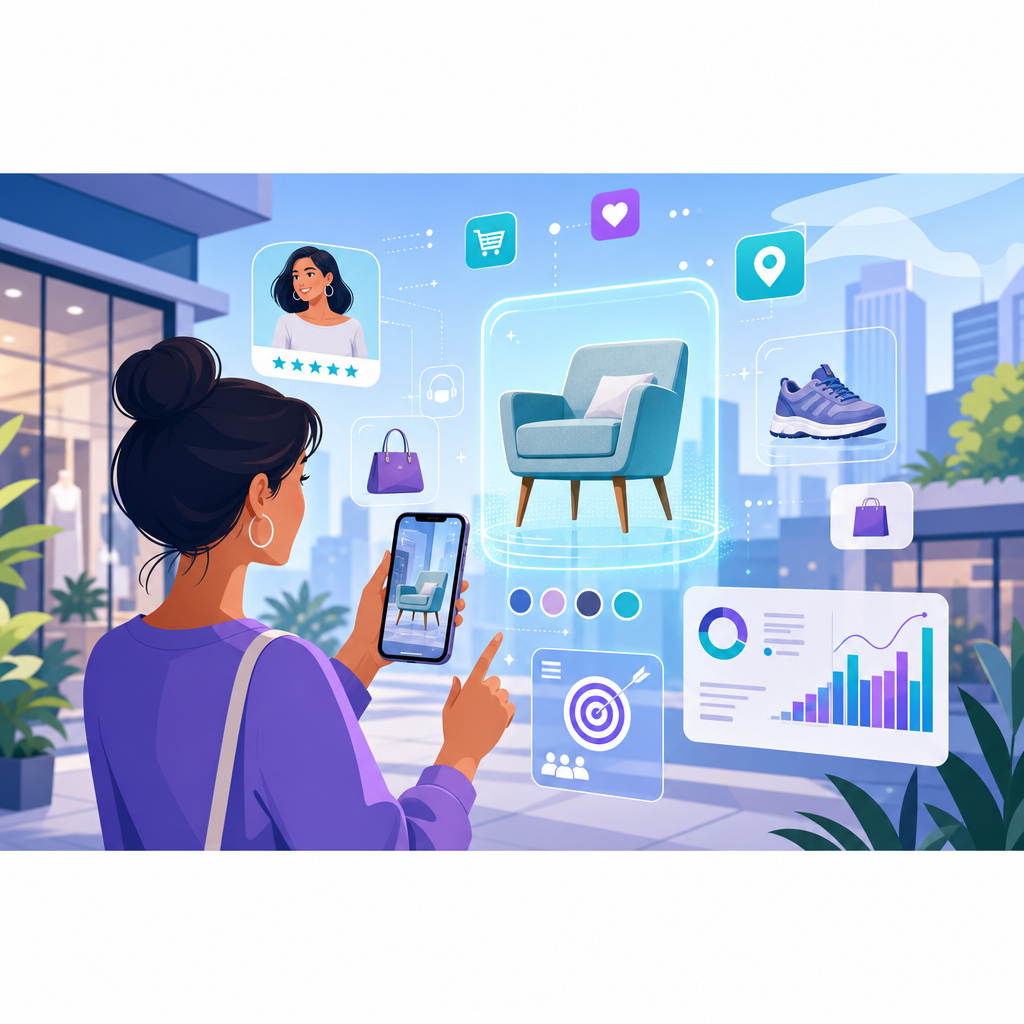
Several companies have already integrated AR into their marketing strategies with significant success. For instance, the IKEA Place app allows customers to visualize how furniture will look in their homes using AR, reducing the uncertainty in purchasing decisions. Similarly, Sephora’s Virtual Artist app enables users to try on makeup virtually, which has led to a more personalized shopping experience.
Benefits of Using AR in Customer Experience
AR provides numerous benefits that can enhance the customer experience substantially:
- Increased Engagement: AR’s interactive nature encourages users to spend more time engaging with the brand.
- Enhanced Personalization: AR allows for experiences and interactions that can be tailored to individual user preferences.
- Memorable Experiences: The unique and futuristic nature of AR makes it memorable, increasing the likelihood that customers will return to the brand.
- Improved Decision-Making: By allowing customers to visualize products in their own environment, AR helps them make more informed purchasing decisions.
Challenges and Limitations
Despite the numerous advantages, there are challenges associated with implementing AR in marketing strategies:
- High Development Costs: Creating high-quality AR experiences can be costly and time-consuming.
- Technology Adoption: Consumers may be reluctant to adopt new technologies, especially if they require specific devices or apps.
- Privacy Concerns: The use of AR often involves collecting user data, which can lead to privacy issues.
The Future of AR in Marketing
The future of AR in digital marketing looks promising, with continuous advancements in technology making it increasingly accessible to businesses of all sizes. As AR becomes more integrated into everyday devices and platforms, its potential to transform customer experience and marketing strategies will continue to grow.
Conclusion
Augmented Reality is reshaping how businesses approach digital marketing, offering exciting new possibilities for enhancing customer experience. By leveraging AR technology, brands can create more interactive, memorable, and personalized experiences, ultimately leading to higher customer satisfaction and loyalty. As the technology evolves, it is crucial for marketers to stay ahead of the curve and integrate AR into their strategies to remain competitive in the digital landscape.


